
Microbiome Analysis Solutions
Advanced Real-Time PCR technology for comprehensive microbiome characterization with no worldwide equivalents
Product Portfolio
Comprehensive microbiome testing solutions for women's health, men's health, and pediatric gut health
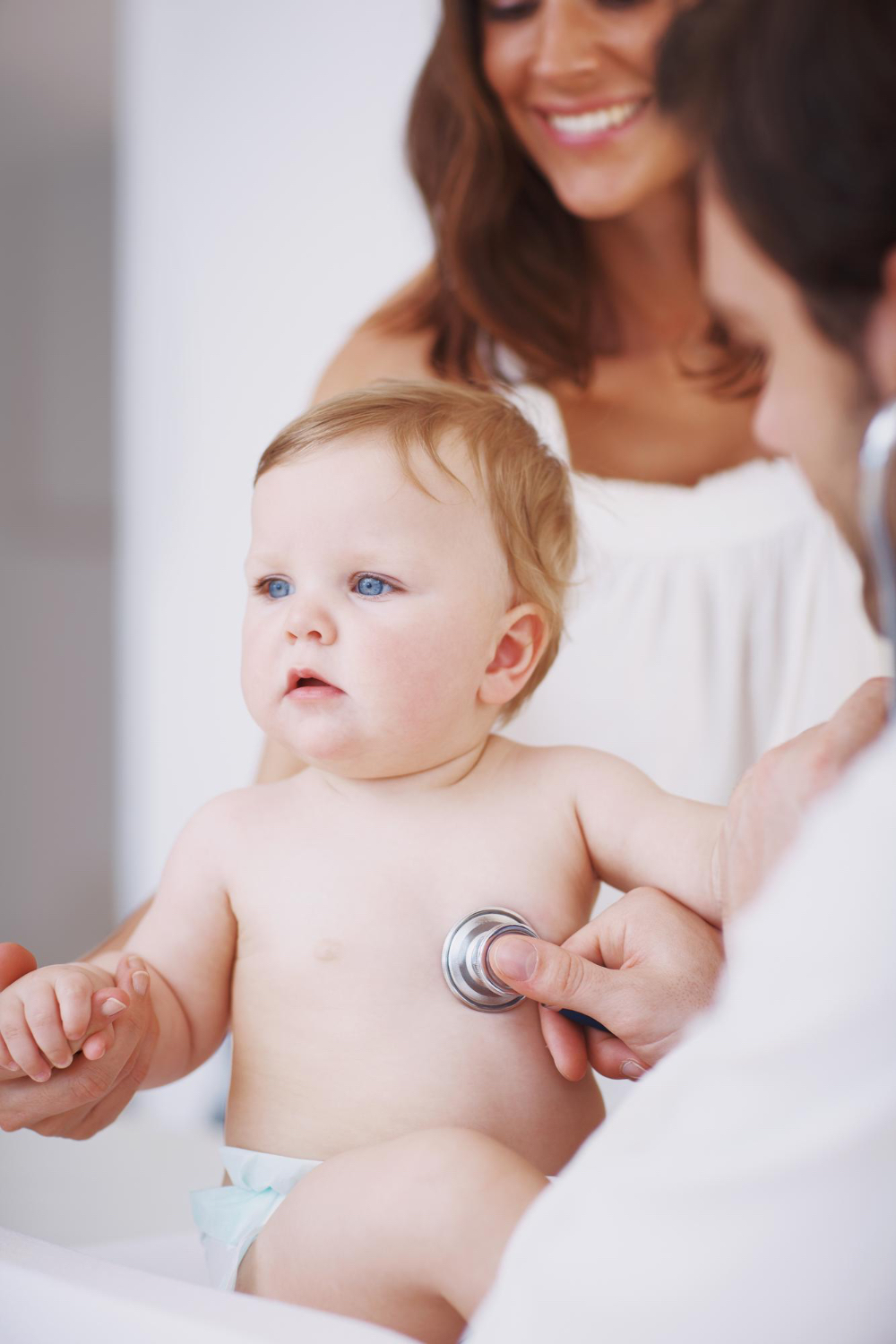
ENTEROBIOME® Kids
Pediatric Gut Microbiota Analysis
Reagent kit for analysis of gut microbiota composition in stool samples from children by Real-Time PCR. Childhood is a critical period of gut microbiome formation that influences lifelong health.
Why Gut Microbiota Matters
The human gut microbiota is a complex, dynamic ecosystem inhabited by bacteria, fungi, archaea, and viruses. The total number of microbial cells can exceed the body's own cells by an order of magnitude. The gut microbiota is involved in carbohydrate and protein metabolism, lipid exchange, and produces important metabolites such as short-chain fatty acids (SCFAs), secondary bile acids, vitamins and lipopolysaccharides that regulate appetite, intestinal motility, energy consumption, and immune system maturation.
Childhood Microbiome Formation
The establishment of the infant's gut microbiota is a long and dynamic process with four successive phases:
- Birth: Initial colonization by Streptococcus spp. and Enterobacterales
- 14 days: Lactobacillaceae, Bifidobacterium spp., Clostridium, Bacteroidota
- Complementary foods: Bacteroidota, Bacillota, Verrucomicrobiota, Actinomycetota, Pseudomonadota
- Weaning: Stabilization of microbiota composition
Factors Affecting Microbiota Formation
- Type of birth: Naturally born infants have stable composition from mother's vaginal, skin, and fecal microbiota. Caesarean section delays formation and increases opportunistic microorganisms (C. difficile, Enterococcus, Klebsiella, Streptococcus, Veillonella)
- Type of feeding: Breastfed infants are dominated by Bifidobacterium spp. (B. breve, B. bifidum, B. longum). Formula-fed children have more Bacteroides and Clostridium with reduced bifidobacteria
- Gestational age: Premature infants have delayed anaerobic colonization with higher Enterobacteriaceae and opportunistic microorganisms
- Antibiotics: Reduces overall diversity, increases drug-resistant bacteria from Enterobacteriaceae and Clostridium, decreases Bifidobacteriaceae, Bacilli and Lactobacillales
Technology
Detects microbial taxa that make up at least 99.9% of the total prokaryotic mass of a child's feces. The taxa are detailed to the level of clinical significance, taking into account the age of the child. Real-Time PCR is currently the most optimal approach - accurate and fast quantitative determination using species-specific or group-specific primers.
Normal Microbiota Detection
- Actinomycetota (Actinobacteria): Bifidobacterium spp. (B. bifidum, B. longum, B. breve, B. infantis, B. adolescentis) - among the first colonizers, dominant in first months, ferment breast milk oligosaccharides, activate cellular immunity
- Bacillota (Firmicutes): Clostridium leptum gr., Lachnospiraceae, Faecalibacterium prausnitzii (anti-inflammatory biomarker), Lactobacillaceae (probiotic, barrier function), Streptococcus spp.
- Bacteroidota (Bacteroidetes): Bacteroides spp. (vitamin K producers), Prevotella spp. (fiber degradation), Parabacteroides spp. (antimicrobial, bile acid conversion), Alistipes spp.
- Other bacteria: Akkermansia muciniphila (mucosal barrier function), Methanobacteriaceae (hydrogen oxidation), Desulfovibrio spp., Blautia spp.
Opportunistic Microbiota & Pathogenicity Markers
- Clostridioides difficile (tcdA, tcdB markers): Produces enterotoxins A and B, causes nosocomial infectious diarrhea, symptoms range from mild diarrhea to severe colitis
- Clostridium perfringens gr.: Associated with necrotizing enterocolitis in preterm infants, capable of producing multiple toxins
- Enterobacterales: Inflammation markers, associated with irritable bowel syndrome, inflammatory bowel disease, necrotizing enterocolitis
- Staphylococcus aureus (mecA marker): Slows normal microbiota formation, mecA gene indicates methicillin resistance
- Streptococcus agalactiae (srr2 marker): Strains with srr2 gene have increased virulence, can cause meningitis
- Candida spp. / Candida albicans: Present in 30-60% of healthy people, antibiotic treatment promotes colonization, can cause invasive infections
Comprehensive Detection Panel
- 43 Specific Markers: Comprehensive quantification of all clinically relevant taxa simultaneously
- Normobiota quantification: Actinomycetota, Bacillota, Bacteroidota, Pseudomonadota, Fusobacteriota, Verrucomicrobiota, Euryarchaeota
- Opportunistic microbiota: Complete pathobiont profiling and yeast fungi from genus Candida
- Bifidobacteria species: Detailed species-level determination including child and adult metabolic types
- Pathogenicity markers: mecA (methicillin resistance), srr2 (S. agalactiae virulence), tcdA/tcdB (C. difficile toxins)
- Ratio calculations: Bacillota/Bacteroidota ratio for inflammation assessment
Clinical Applications
Recommended when it is necessary to determine the qualitative composition and quantitative assessment of the microbiota of the large intestine in the context of medical and diagnostic procedures. A species-rich gut ecosystem is more resilient to adverse environmental stresses - reduced diversity is associated with disease presence.
Key Features
- 99.9% Coverage: Detects microbial taxa comprising the total prokaryotic mass of feces
- Age-Specific Norms: Results interpreted based on children's age-specific reference values
- Fast Analysis: Results in just a few hours, enabling quick clinical decisions
- Multiplex Format: Several DNA targets detected simultaneously in one test tube
- Internal Control: Assessment of DNA extraction and PCR quality for reliable results
- Automated Generation: Automatic results form creation with preset templates
- Dysbiosis Assessment: Normocenosis/dysbiosis status by relative abundance in total bacterial mass
Biomaterial
Feces (including meconium)
FEMOBIOME®
Line of New Tests for Women Microbiota Assessment
Expanded and optimized panel of detectable microorganisms enables clinically significant description of microbiota composition with comprehensive capabilities

What's New
- More informative evaluation of normobiota state for women of different ages
- Quantitative assessment of Group B Streptococcus – especially important during pregnancy planning and gestation
- Control of obligate pathogens presence to exclude asymptomatic and subclinical infections
- Detection of viruses relevant to reproductive health
- System of visual markers (traffic light system) for convenient clinical interpretation
- Test report with personalized comments and infographics
Test Versions
Universal test for assessment of women microbiota state with the most comprehensive capabilities. Detects normobiota (Lactobacillus species, Bifidobacterium), aerobes, anaerobes, mycoplasmas, yeast fungi, STIs, herpesviruses, and human papillomaviruses. More clinically relevant information for the same price.
A shortened version of FEMOBIOME®II for diagnostics of bacterial vaginosis. Ideal for BV symptoms and BV treatment monitoring.
A complex test for diagnostics of infectious and inflammatory urogenital diseases. Includes STI detection (Chlamydia trachomatis, Mycoplasma genitalium, Neisseria gonorrhoeae, Trichomonas vaginalis) and herpesviruses (HSV-1, HSV-2, CMV).
FEMOBIOME®II - Complete Detection Panel
Comprehensive Microbiota Assessment
FEMOBIOME®II is the universal test for complete women's microbiota assessment with the most comprehensive capabilities. More clinically relevant information for the same price.
| Study | Assessment of Normobiota | Conditionally Pathogenic Microorganisms | STIs & Viruses | |||
|---|---|---|---|---|---|---|
| Aerobes | Anaerobes | Mycoplasma | Candida | |||
| FEMOBIOME®II | Lactobacillus spp.L. crispatusL. jensenii / L. mulierisL. gasseri / L. paragasseriL. inersL. non-inersBifidobacterium spp. | Staphylococcus spp.Streptococcus spp.Streptococcus agalactiaeEnterobacteriaceaeEnterococcus spp.Haemophilus spp. | Gardnerella vaginalisFannyhessea vaginaeMobiluncus spp.Anaerococcus spp.Peptostreptococcus spp.Bacteroides / Porphyromonas / Prevotella spp.Sneathia / Leptotrichia / Fusobacterium spp.Megasphaera / Veillonella / Dialister spp.BVAB1 / BVAB2 / BVAB3 | Ureaplasma urealyticumUreaplasma parvumMycoplasma hominis | Candida spp.Candida albicans | Chlamydia trachomatisNeisseria gonorrhoeaeMycoplasma genitaliumTrichomonas vaginalisHSV-1, HSV-2, CMVHPV 16, 18, 45HPV 31/33/35/39/51/52/56/58/59/66/68 |
FEMOBIOME®AlphaScreen - Detection Panel
Bacterial Vaginosis Diagnostics
FEMOBIOME®AlphaScreen is designed for diagnostics of bacterial vaginosis (BV), one of the most common diseases of the female reproductive system. The "Alpha" in the name stands for Assessment.
- Laboratory confirmation of BV diagnosis
- Treatment monitoring
- Patients with BV symptoms and complaints
| Study | Assessment of Normobiota | Conditionally Pathogenic Microorganisms | STIs | |||
|---|---|---|---|---|---|---|
| Aerobes | Anaerobes | Mycoplasma | Candida | |||
| FEMOBIOME® AlphaScreen |
Lactobacillus spp.Lactobacillus non-inersLactobacillus iners | — | Gardnerella vaginalisFannyhessea vaginaeMobiluncus spp.Anaerococcus spp. / Peptostreptococcus spp.Bacteroides spp. / Porphyromonas spp. / Prevotella spp.Sneathia spp. / Leptotrichia spp. / Fusobacterium spp.Megasphaera spp. / Veillonella spp. / Dialister spp.BVAB1 / BVAB2 / BVAB3 | Ureaplasma urealyticumUreaplasma parvumMycoplasma hominis | Candida spp.Candida albicans | — |
FEMOBIOME®DeltaScreen - Detection Panel
Infectious Disease Diagnostics
FEMOBIOME®DeltaScreen is a comprehensive test for diagnostics of infectious and inflammatory urogenital diseases. The "Delta" in the name stands for Diagnostics.
- Acute infectious and inflammatory processes
- Infection screening and occupational examination
- Detection of obligate pathogens and herpesviruses
| Study | Assessment of Normobiota | Conditionally Pathogenic Microorganisms | STIs | |||
|---|---|---|---|---|---|---|
| Aerobes | Anaerobes | Mycoplasma | Candida | |||
| FEMOBIOME® DeltaScreen |
Lactobacillus spp.Lactobacillus non-inersLactobacillus iners | Staphylococcus spp.Streptococcus spp.EnterobacteriaceaeEnterococcus spp.Haemophilus spp. | Gardnerella vaginalisFannyhessea vaginaeMobiluncus spp. | Ureaplasma urealyticumUreaplasma parvumMycoplasma hominis | Candida spp.Candida albicans | Chlamydia trachomatisNeisseria gonorrhoeaeMycoplasma genitaliumTrichomonas vaginalisHSV-1HSV-2CMV |
Clinical Applications
- Infectious diseases: Inflammatory symptoms diagnosis
- Bacterial vaginosis: Symptoms of BV and treatment monitoring
- Asymptomatic cases: Preparation for pelvic surgery, preventive screening
- Obstetrics: Pregnancy planning, ART, prophylactic examinations during pregnancy
- Reproductive health: Infertility and miscarriage investigation
Comprehensive Detection Panel (FEMOBIOME®II)
- Normobiota: Lactobacillus spp. (L. crispatus, L. jensenii/L. mulieris, L. gasseri/L. paragasseri, L. iners, L. non-iners), Bifidobacterium spp.
- Aerobes: Staphylococcus, Streptococcus (incl. Streptococcus agalactiae - Group B), Enterobacteriaceae, Enterococcus, Haemophilus
- Anaerobes: Gardnerella vaginalis, Fannyhessea vaginae (Atopobium vaginae), Mobiluncus, Anaerococcus, Peptostreptococcus, Bacteroides/Porphyromonas/Prevotella, Sneathia/Leptotrichia/Fusobacterium, Megasphaera/Veillonella/Dialister, BVAB1/BVAB2/BVAB3
- Mycoplasmas: Ureaplasma urealyticum, Ureaplasma parvum, Mycoplasma hominis
- Yeast fungi: Candida spp., Candida albicans
- STIs: Chlamydia trachomatis, Mycoplasma genitalium, Neisseria gonorrhoeae, Trichomonas vaginalis
- Herpesviruses: HSV-1, HSV-2, CMV
- Human Papillomaviruses: HPV 16, 18, 45, and HPV 31/33/35/39/51/52/56/58/59/66/68
Types of Biomaterial
- Vaginal swab (can be collected by healthcare specialist or self-collected by woman using special devices)
- Cervical swab collected in transport medium, including transport medium for liquid-based cytology
Key Features
- Fast results: From 2.5 hours with sample pretreatment
- Traffic light system: Visual indicators for eubiosis, moderate dysbiosis, and severe dysbiosis
- Personalized reports: Test report with personalized comments and infographics
- All-in-one solution: From sample collection to test report interpretation
- Flexible formats: Automated (384-well) and manual (96-well) PCR setup
ANDROBIOME®
Microbiome Analysis for Male Urogenital Health
Novel test to assess male genitourinary tract microflora for accurate diagnostics and efficient treatment of urological conditions

Technology
Based on real-time PCR technology allowing for complete qualitative and quantitative characterization of normal, opportunistic and pathogen microflora in male genitourinary tract. Reliably detects micro-organisms that are hardly identified or cannot be identified by bacteriological culturing.
Clinical Applications
- Unpleasant symptoms: itches, burning sensations, genital discharge
- Sense of discomfort, pain in genitals, urination disorders
- Before urological surgery
- When preparing for IVF
- Inefficient treatment of urinary diseases
- Chronic and recurrent urogenital infections
- Male infertility investigation
Test Versions
Commonly used in diagnostics of acute diseases. Includes detection of main opportunistic microorganisms, STIs, and herpesviruses. Ideal for initial screening and acute symptoms.
Comprehensive test for diagnostics of acute and chronic diseases, infertility. Extended panel with 14+ groups of opportunistic microorganisms for thorough microbiome assessment.
Comprehensive Detection Panel
Complete Microbiota Assessment
ANDROBIOME® provides complete qualitative and quantitative characterization of the male urogenital microbiome with clinically significant markers.
| Study | Normobiota | Opportunistic Microorganisms | Mycoplasma | Candida | STIs & Viruses | |
|---|---|---|---|---|---|---|
| ANDROBIOME® | Lactobacillus spp. | Staphylococcus spp.Streptococcus spp.Corynebacterium spp.EnterobacteriaceaeEnterococcus spp.Haemophilus spp.Pseudomonas aeruginosa / Ralstonia spp. / Burkholderia spp. | Gardnerella vaginalisAnaerococcus spp.Prevotella bivia / Porphyromonas spp.Eubacterium spp.Sneathia spp. / Leptotrichia spp. / Fusobacterium spp.Megasphaera spp. / Veillonella spp. / Dialister spp.Mobiluncus spp. / Corynebacterium spp. | Ureaplasma urealyticumUreaplasma parvumMycoplasma hominis | Candida spp. | Chlamydia trachomatisNeisseria gonorrhoeaeMycoplasma genitaliumTrichomonas vaginalisHSV-1, HSV-2, CMV |
Quality Control
ANDROBIOME® test uses 3 control parameters of adequacy of the biomaterial provided for the study that ensures accuracy of the results.
- Total Bacterial Mass (TBM): Overall bacterial load in the sample for infection assessment
- Human DNA: Confirms presence of epithelial cells validating proper sampling technique
- Internal Control: Validates DNA extraction and PCR amplification for reliable results
Types of Biomaterial
- Urethral swab: Primary sample type for urogenital microbiome assessment
- First-void urine: Non-invasive sampling option
- Prostate secretion: For prostate-specific analysis
- Ejaculate: For fertility assessment and comprehensive analysis
Key Features
- Fast results: Complete analysis within a day
- Traffic light system: Visual color-coded indicators for easy clinical interpretation
- Quantitative analysis: Precise bacterial load measurement in GE/sample
- Comprehensive STI panel: Detection of Chlamydia, Gonorrhea, Mycoplasma genitalium, Trichomonas
- Herpesvirus detection: HSV-1, HSV-2, and CMV included
- Automated reporting: Individual result forms with color-coded interpretation
Real-Time PCR Technology
The most accurate and up-to-date technology for microbiome analysis
Accuracy
Complete qualitative and quantitative characterization of normal, opportunistic and pathogen microflora
Speed
Prompt results within about a day enabling quick clinical decisions and treatment planning
Reliability
Detects micro-organisms that are difficult or impossible to identify by conventional methods like bacteriological culturing
Automated Reporting
Individual specific report forms with color-coded interpretation performed automatically by specialized software
Result Interpretation
For convenience of result interpretation, clinicians use color coding: